 English
  Arabic
How Board Software Eliminates Governance Challenges and Improves Performance
Why Governance Challenges Continue to Hold Organizations Back Governance challenges are not new, but they are becoming more complex and […]
Why Governance Challenges Continue to Hold Organizations Back Governance challenges are not new, but they are becoming more complex and […]

Why the Shift to Digital Board Portals Is Accelerating Globally Organizations across industries are rapidly moving toward digital board portals.

Why Inefficient Board Meetings Are More Expensive Than They Appear Board meetings are among the most expensive internal activities in

Why Choosing the Right Board Software Is a Critical Decision Selecting board management software is not just a technical decision.

Why Organizations Struggle Without Board Portal Software Many organizations operate under the assumption that traditional tools are sufficient for managing

Why Boardrooms Can No Longer Rely on Traditional Governance Methods Boardrooms were once designed for slower, more predictable environments. Paper-based

Why Inefficient Board Processes Often Go Unnoticed Inefficiency in board processes rarely appears as a single obvious problem. Instead, it
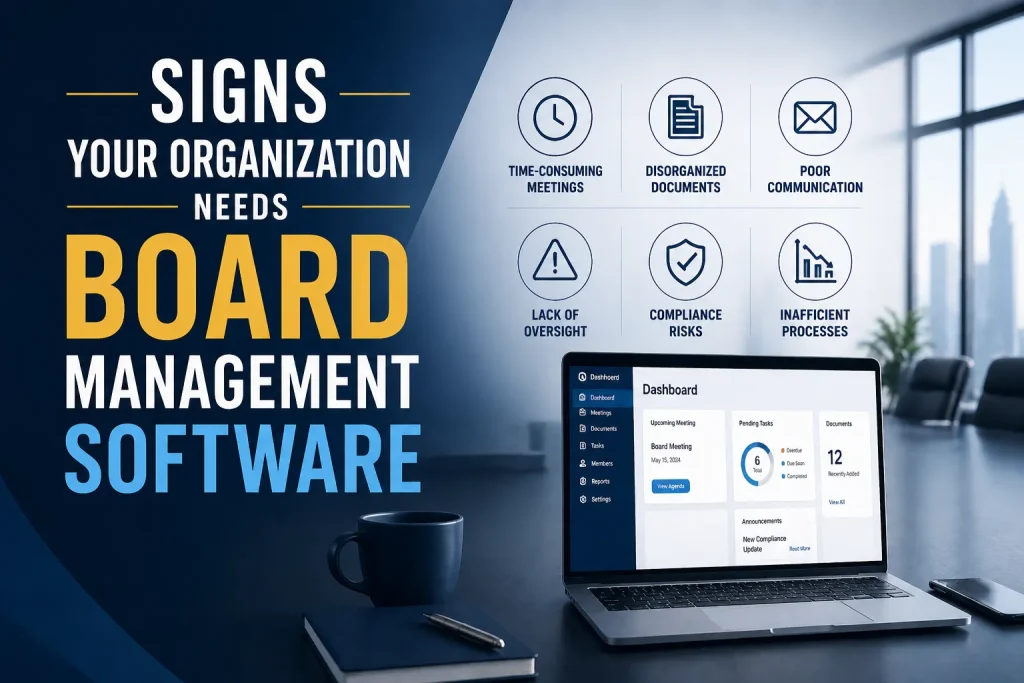
Why Many Organizations Delay Adopting Board Management Software Most organizations do not immediately realize they need board management software. Governance

Why Strategic Planning at the Board Level Often Fails Despite Strong Intentions Strategic planning is one of the most critical
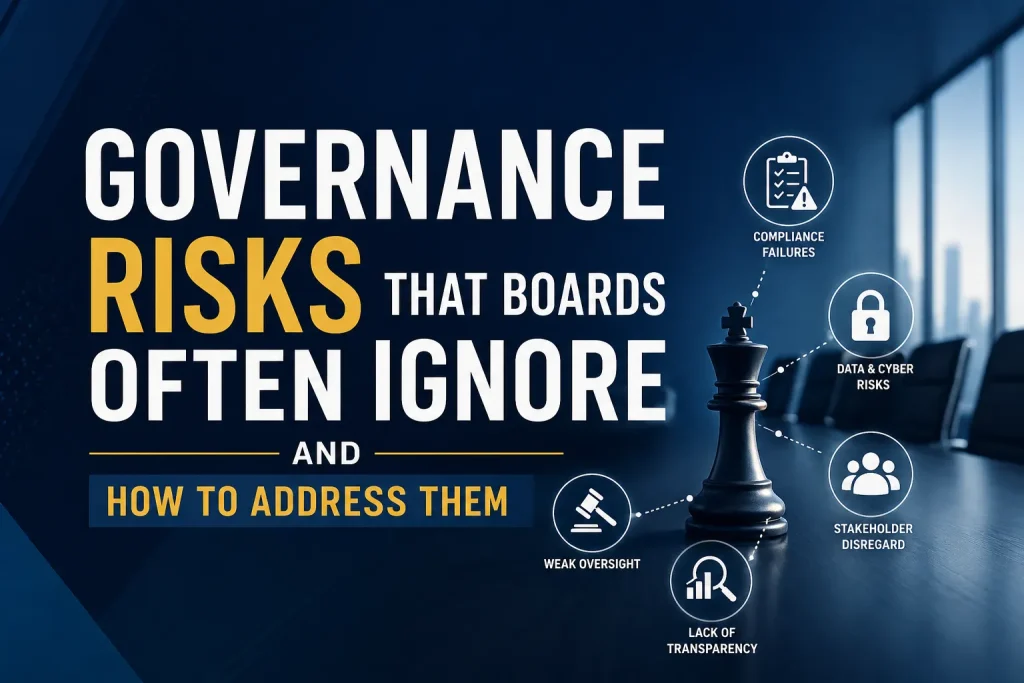
Why Hidden Governance Risks Are More Dangerous Than Visible Ones Boards are typically aware of major risks such as financial