 English
  Arabic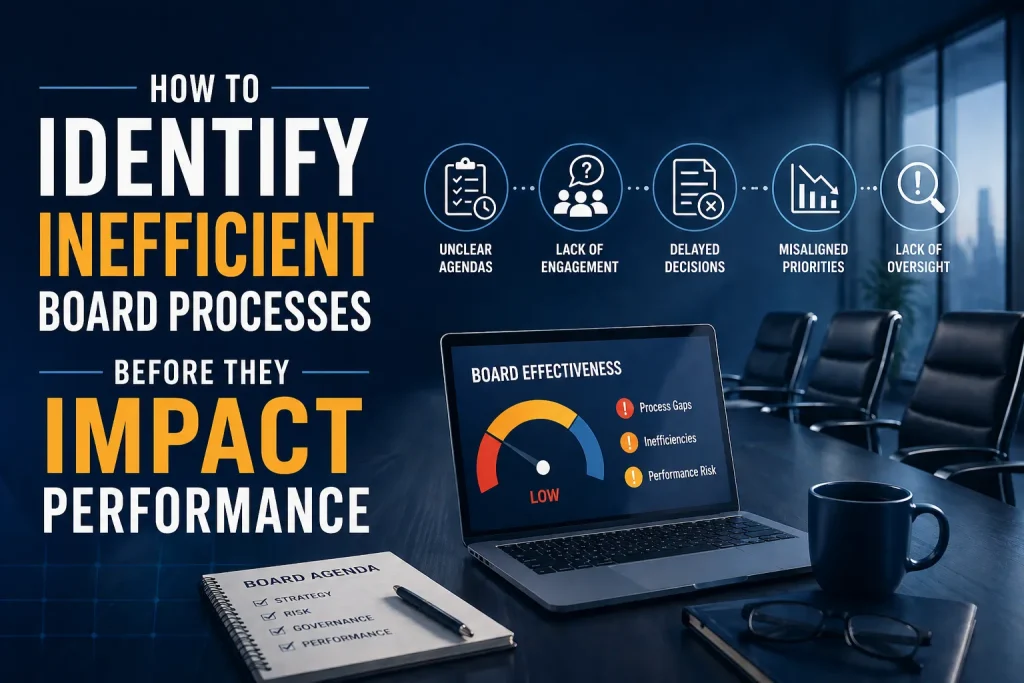
How to Identify Inefficient Board Processes Before They Impact Performance
Why Inefficient Board Processes Often Go Unnoticed Inefficiency in board processes rarely appears as a single obvious problem. Instead, it […]
Why Inefficient Board Processes Often Go Unnoticed Inefficiency in board processes rarely appears as a single obvious problem. Instead, it […]
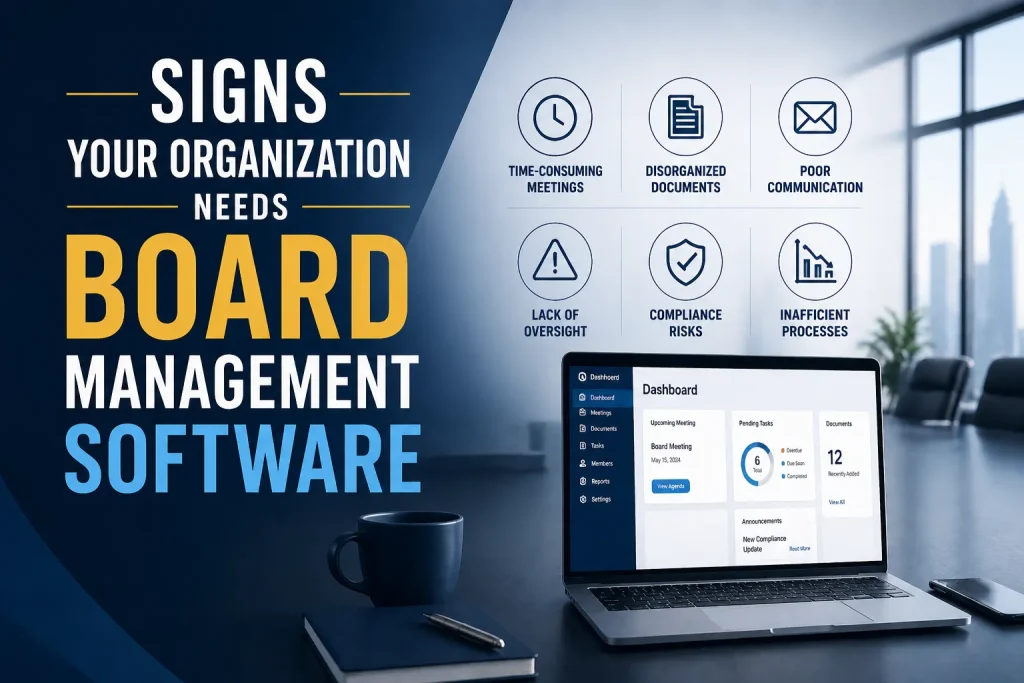
Why Many Organizations Delay Adopting Board Management Software Most organizations do not immediately realize they need board management software. Governance
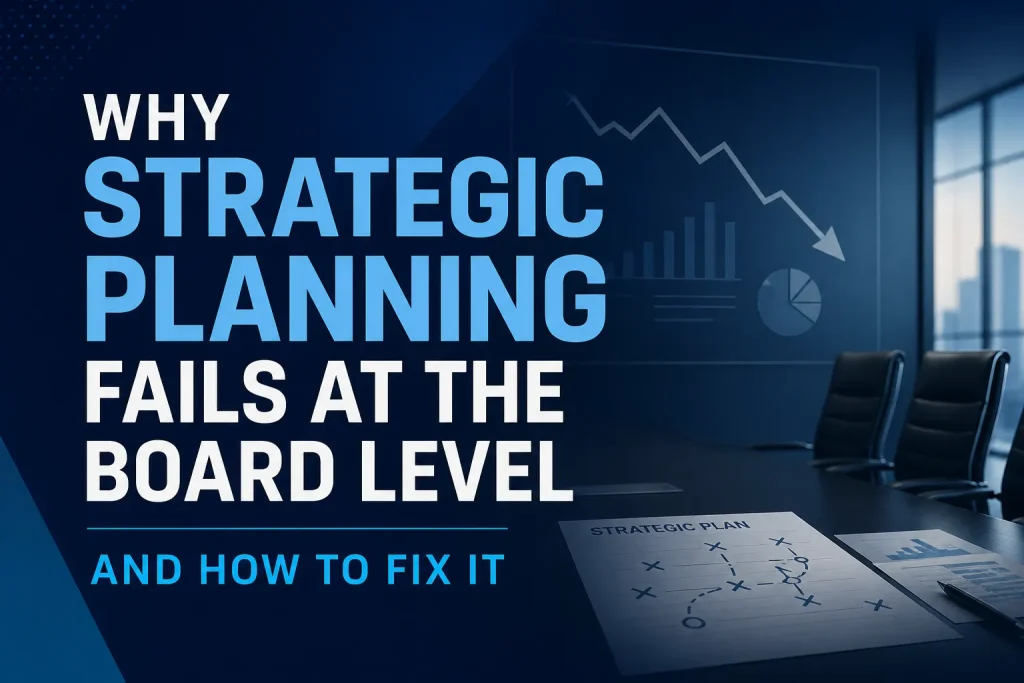
Why Strategic Planning at the Board Level Often Fails Despite Strong Intentions Strategic planning is one of the most critical
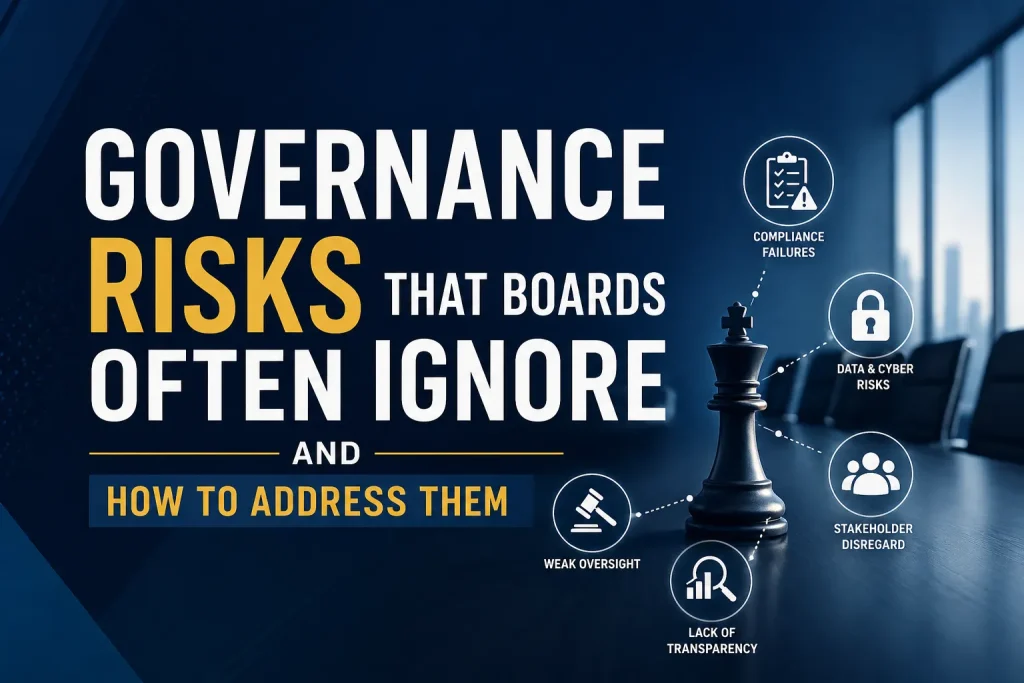
Why Hidden Governance Risks Are More Dangerous Than Visible Ones Boards are typically aware of major risks such as financial
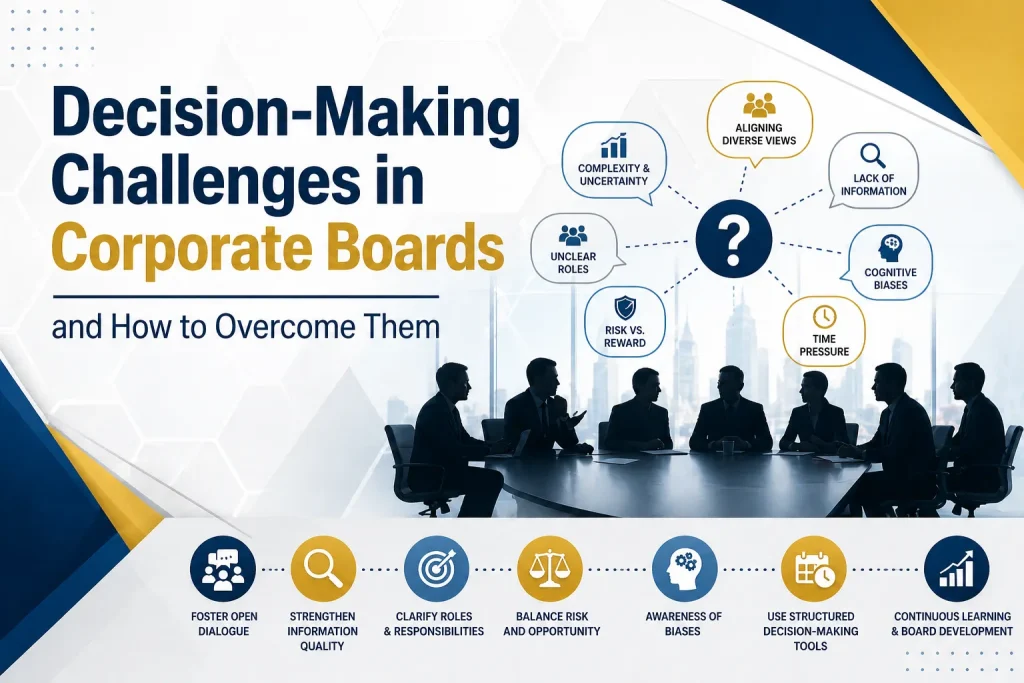
Why Decision-Making Is the Most Critical Function of a Board At its core, the purpose of a corporate board is
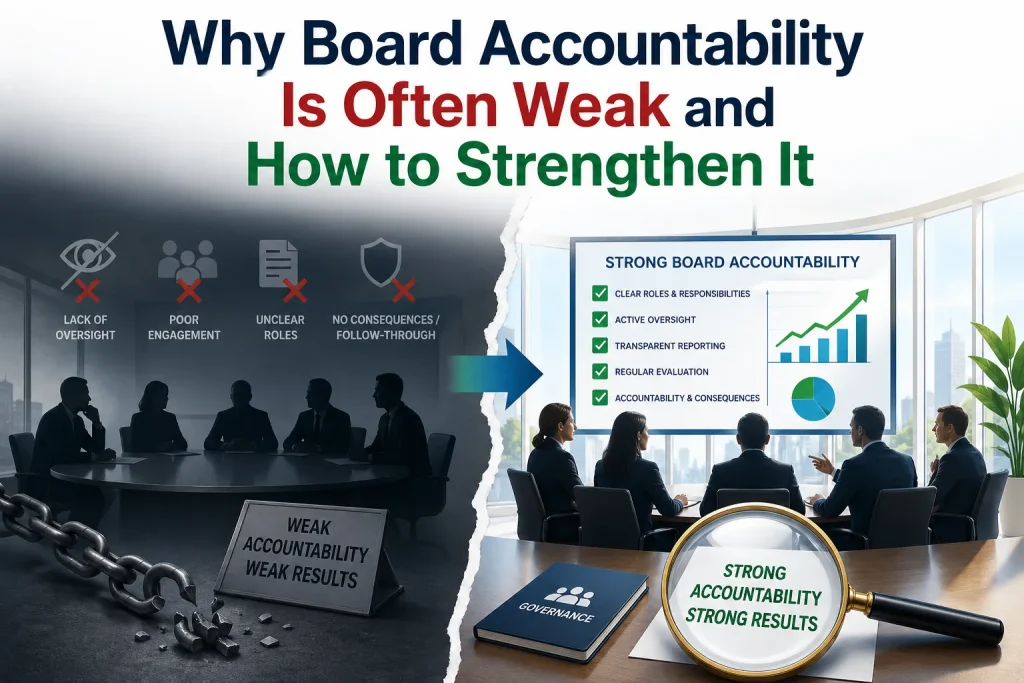
Why Accountability Is the Core of Effective Board Governance Accountability is the mechanism that ensures decisions lead to outcomes and
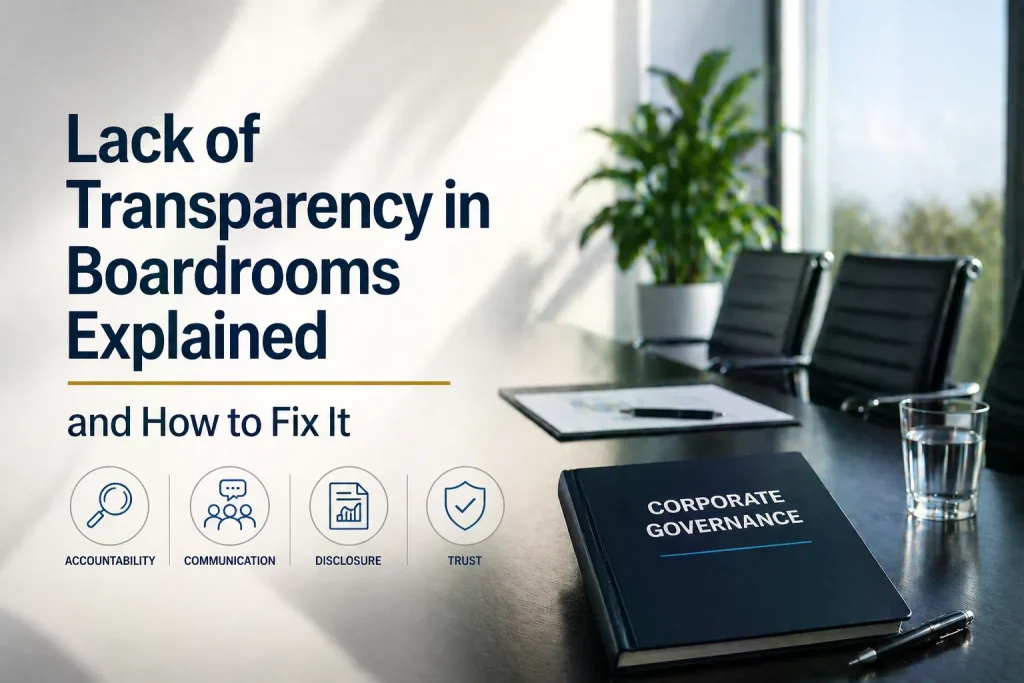
Why Transparency Is a Core Pillar of Effective Governance Transparency is one of the most fundamental principles of strong corporate
Why Governance Has Become More Complex in Modern Organizations Corporate governance today is significantly more complex than it was a
Why Strategic Oversight Is One of the Most Challenging Responsibilities for Boards Strategic oversight sits at the core of board
Why Corporate Governance Weakness Is a Critical Business Risk Corporate governance is the backbone of organizational stability, accountability, and long-term