 English
  Arabic
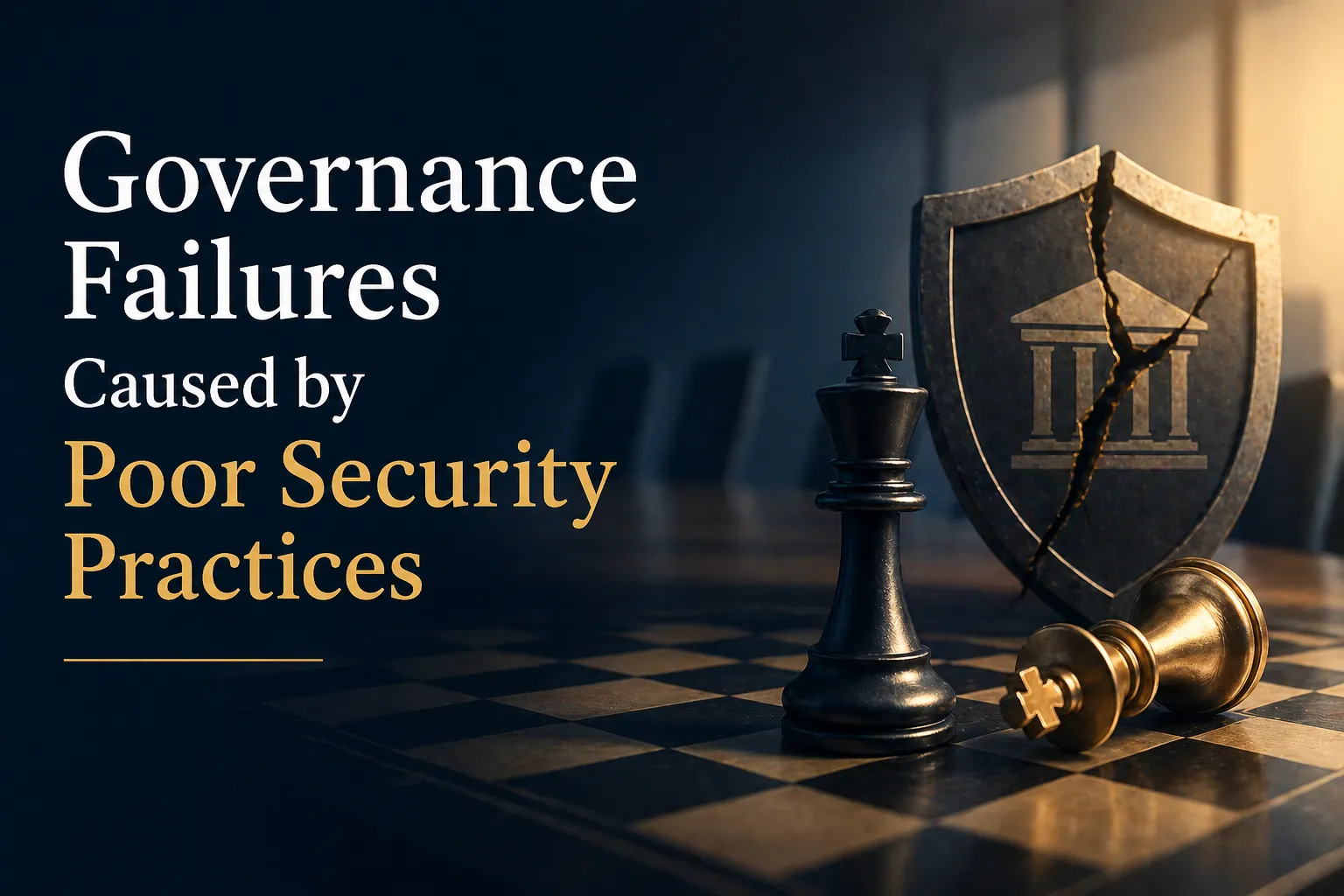
Why Security Is the Foundation of Effective Governance Governance is built on trust, transparency, and informed decision-making. Security plays a critical role in maintaining all three. Without strong security practices, governance structures become fragile and vulnerable to disruption. Board members rely on accurate and confidential information to make decisions. When this information is compromised, the integrity of governance is affected. Decisions may be based on incomplete or unreliable data. Business leader Ginni Rometty once said: “Cybercrime is the greatest threat to every profession, every industry, every company in the world.” This highlights the importance of integrating security into governance. How...

Why Security Is the Foundation of Effective Governance
Governance is built on trust, transparency, and informed decision-making. Security plays a critical role in maintaining all three. Without strong security practices, governance structures become fragile and vulnerable to disruption.
Board members rely on accurate and confidential information to make decisions. When this information is compromised, the integrity of governance is affected. Decisions may be based on incomplete or unreliable data.
Business leader Ginni Rometty once said:
“Cybercrime is the greatest threat to every profession, every industry, every company in the world.”
This highlights the importance of integrating security into governance.
How Weak Security Practices Disrupt Governance Processes
Weak security practices create multiple points of failure within governance systems. One of the most common issues is unauthorized access to sensitive information. When data is exposed, it affects both decision-making and accountability.
Another problem is lack of monitoring. Without visibility into how data is accessed and used, organizations cannot identify potential risks.
Security gaps also affect compliance. Organizations may fail to meet regulatory requirements, leading to legal and financial consequences.
The Impact on Decision Quality and Organizational Trust
Security failures have a direct impact on decision quality. When board members are uncertain about the integrity of information, they may hesitate to make decisions or rely on incomplete data.
Trust is another critical factor. Security breaches can erode trust among board members, employees, and stakeholders. This makes collaboration more difficult and reduces overall effectiveness.
Leadership expert John Chambers emphasized trust:
“There are two types of companies: those that have been hacked, and those that will be.”
Acknowledging this reality is the first step toward building resilient governance.
Why Many Boards Underestimate Security Risks
One reason boards underestimate security risks is the focus on operational systems rather than governance processes. Board-level communication is often overlooked.
Another reason is lack of technical expertise. Board members may not fully understand the risks associated with modern cybersecurity threats.
This creates a gap between perceived and actual risk.
Strategies to Align Security with Governance
Improving security requires integrating it into governance processes. Secure communication platforms provide centralized control and visibility.
Clear policies ensure that all board members follow consistent practices. This reduces variability and risk.
Regular training helps build awareness and ensures that security practices are followed.
How Leading Organizations Strengthen Governance Through Security
Organizations that excel in governance treat security as a strategic priority. They invest in systems that protect data and improve visibility.
They also maintain a proactive approach, continuously evaluating and improving their security measures.
Frequently Asked Questions
How does poor security affect governance
It reduces trust, data integrity, and decision quality.
What are common security failures
Unauthorized access, lack of monitoring, and weak policies.
How can governance be improved
By integrating security into all processes.
Final Perspective
Security is not separate from governance. It is a core component that determines its effectiveness.
Share this article on