 Arabic
  English
Challenges of Paper-Based Board Meetings and How to Fix Them
Why Paper-Based Meetings Are Still Used Despite Their Limitations Paper-based board meetings have been a standard practice for decades. Many […]
Why Paper-Based Meetings Are Still Used Despite Their Limitations Paper-based board meetings have been a standard practice for decades. Many […]

Why Legacy Board Practices Are Breaking Under Modern Pressure Traditional board processes were designed for a slower, more predictable business
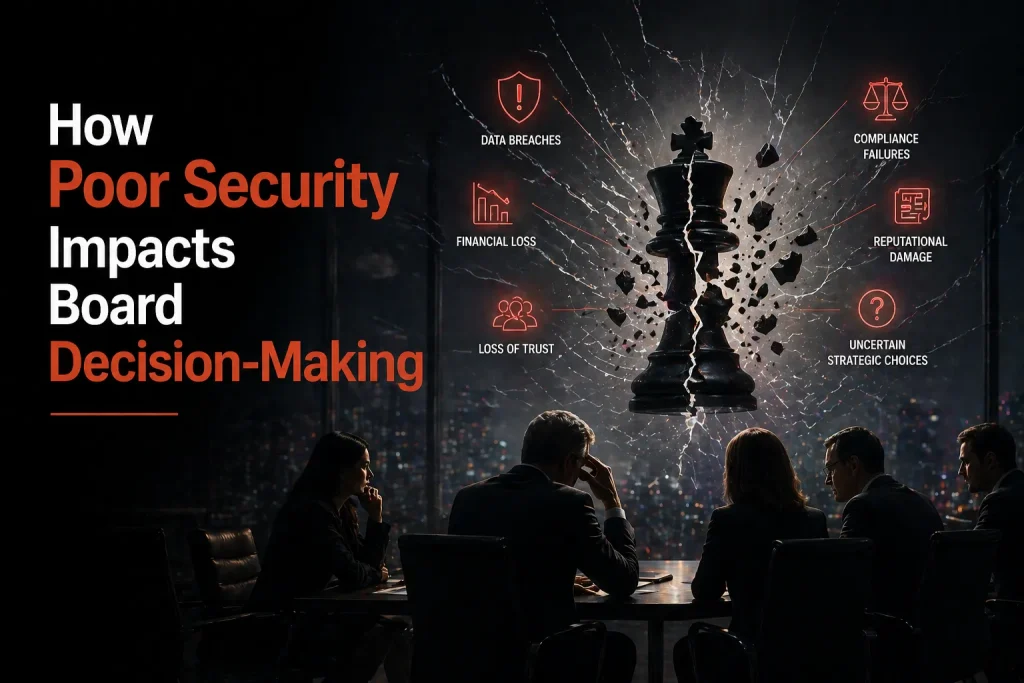
Why Security Is Directly Linked to Decision Quality Decision-making at the board level depends on accurate and reliable information. When

Why Cybersecurity Has Become a Strategic Boardroom Issue Cybersecurity is no longer limited to IT departments. It has become a

Why Compliance Has Become Harder Than Ever for Boards Compliance is no longer a simple checklist. Modern organizations operate across
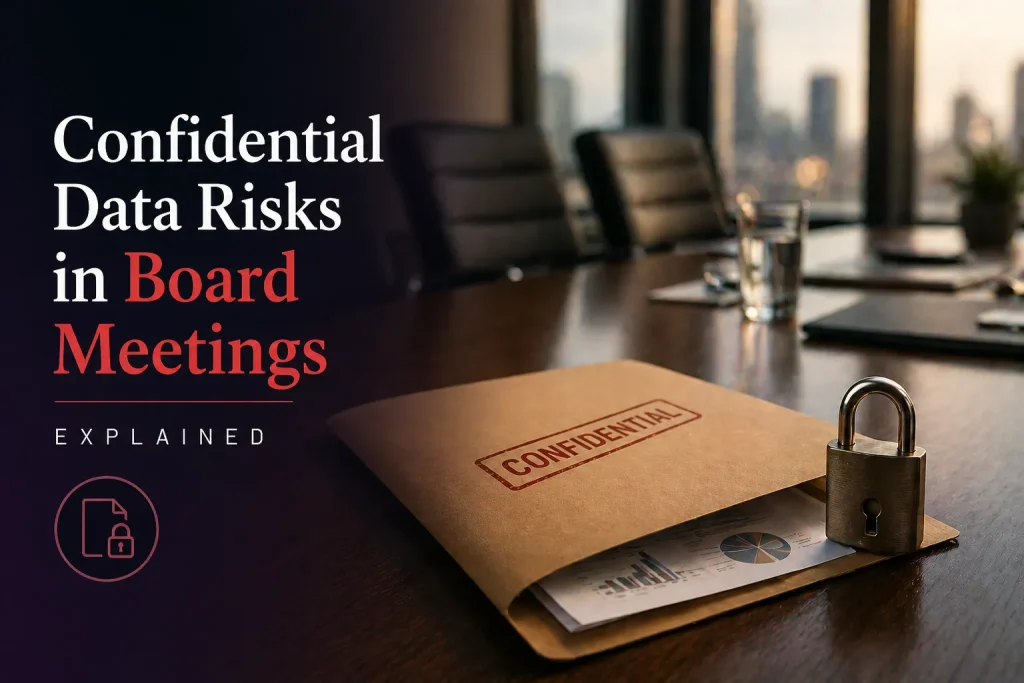
Why Confidential Data Is Most Exposed During Board Meetings Board meetings involve the exchange of highly sensitive information. This includes
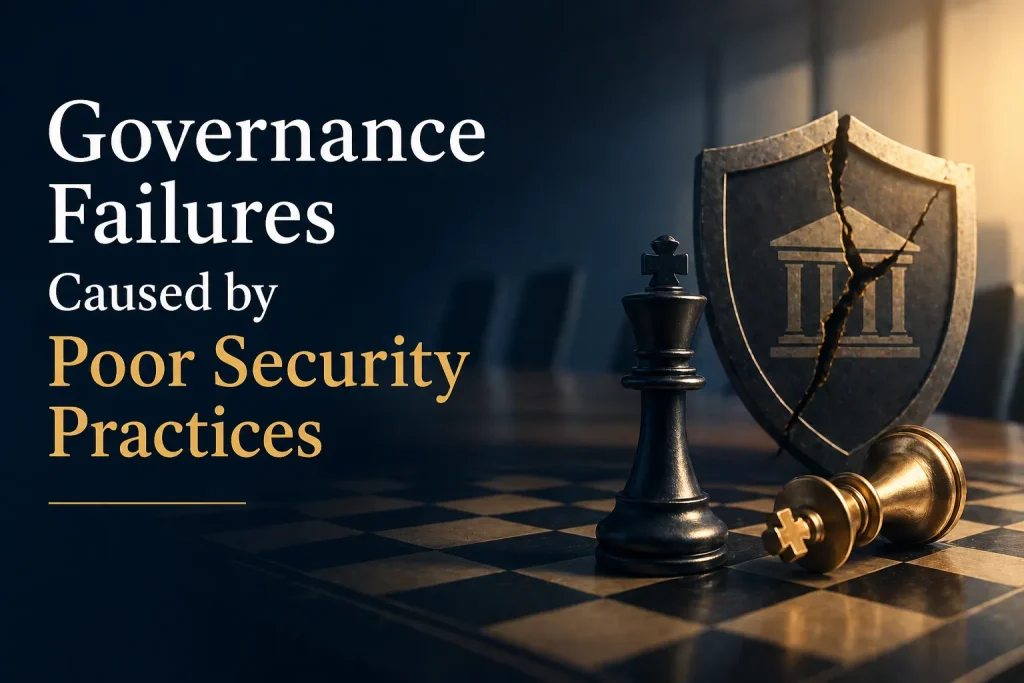
Why Security Is the Foundation of Effective Governance Governance is built on trust, transparency, and informed decision-making. Security plays a
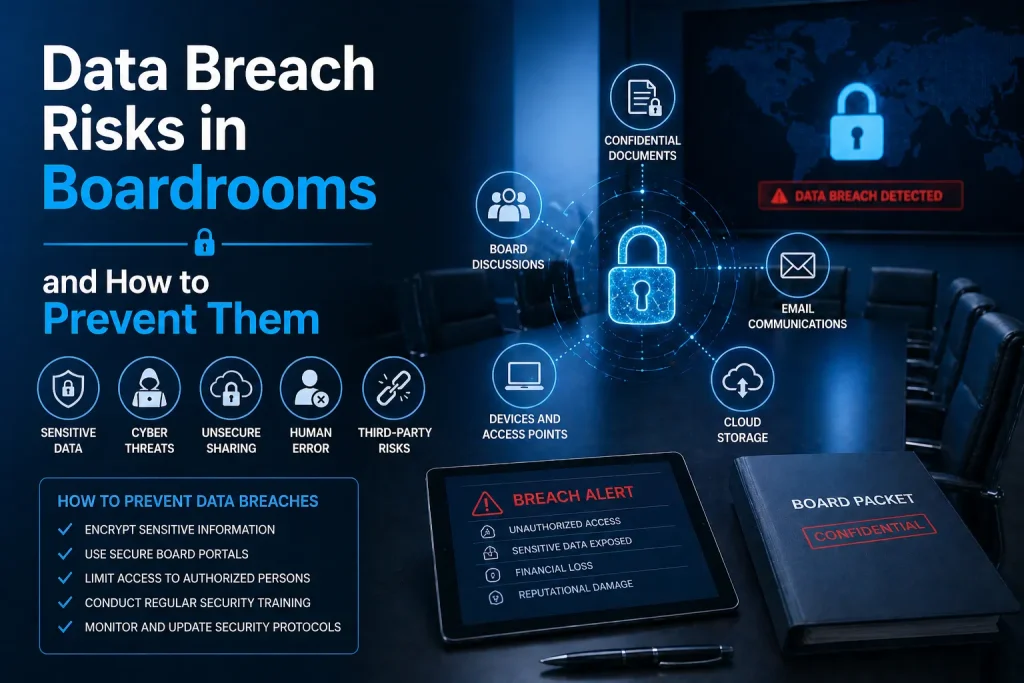
Why Boardrooms Have Become High-Value Targets for Data Breaches Boardrooms have evolved into one of the most attractive targets for
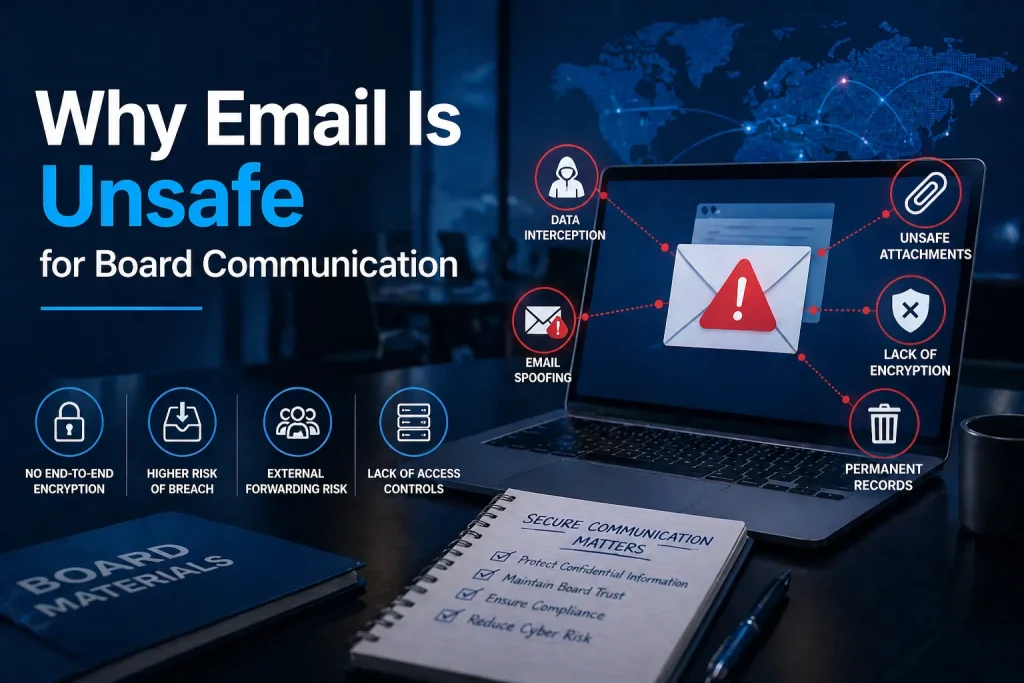
Why Email Feels Safe but Creates Real Exposure Email has become deeply embedded in organizational workflows. It is fast, familiar,

Why Board Communication Is More Vulnerable Than Organizations Realize Board-level communication is often assumed to be secure simply because it